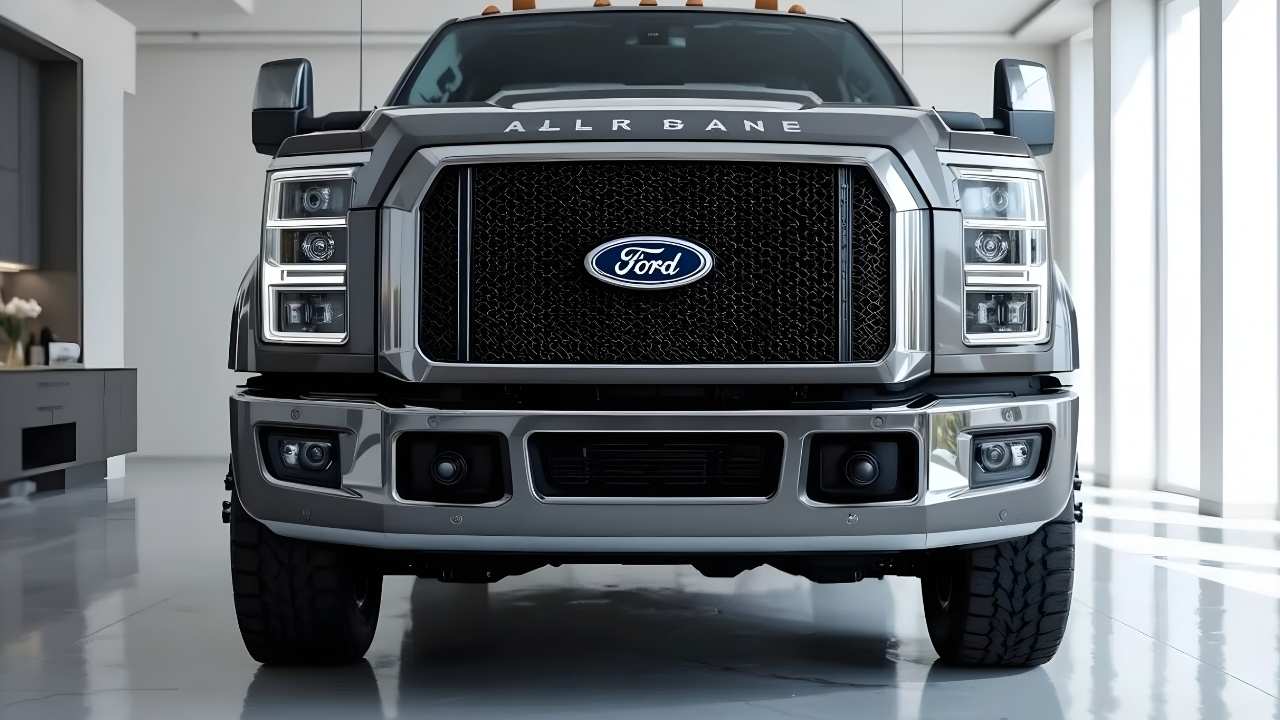
The 2026 Ford F-650 enters the heavy-duty truck market with a strong focus on strength, durability, and long-term reliability. Known for handling some of the toughest jobs across industries, this updated model is developed to support large-scale transport, construction projects, and specialized commercial operations. Ford has refined the truck to deliver better work efficiency while maintaining its reputation as one of the most dependable medium-duty trucks available.
Tough Exterior Styling with Functional Engineering
The exterior design of the 2026 Ford F-650 highlights its heavy-duty identity with a commanding road presence. The truck features a redesigned front fascia that improves airflow and engine cooling, which is essential for handling extended workloads. A redesigned grille, enhanced LED lighting system, and heavy-duty steel frame structure contribute to both durability and visibility.
The truck also offers customizable body formats that allow operators to configure it for industries such as cargo transportation, emergency services, construction, and towing. Its reinforced ladder frame and durable paint finishes are engineered to withstand harsh weather, rough terrain, and long operational hours.
Engine Options Built for Maximum Work Output
The 2026 Ford F-650 is expected to offer high-performance engine options designed to deliver exceptional torque and consistent power delivery. These engines are tuned to handle high towing loads and large payload capacities without compromising reliability. The available diesel engine option is expected to provide strong low-end torque, which is ideal for pulling heavy equipment and trailers over long distances.
Ford is likely to pair these engines with heavy-duty automatic transmissions that improve gear shifting precision and help reduce engine stress. These systems allow the truck to operate efficiently across different load conditions, ensuring smooth power delivery whether traveling through highways or job sites.
Durable Chassis and Load-Carrying Performance
One of the biggest strengths of the 2026 Ford F-650 lies in its rugged chassis and suspension system. The truck is engineered with reinforced crossmembers and heavy-duty axles that help distribute weight evenly during hauling operations. Its upgraded suspension is designed to provide stability even when operating at maximum payload capacity.
The truck’s braking system is also enhanced to ensure reliable stopping performance, especially when towing heavy loads. These improvements help maintain safety and control in both urban environments and long-distance highway operations.
Driver-Focused Cabin with Practical Enhancements
The interior of the 2026 Ford F-650 is designed to support drivers who spend extended hours behind the wheel. The cabin layout emphasizes comfort and easy accessibility to essential controls. The truck offers improved seating support, additional legroom, and adjustable steering to create a more relaxed driving posture.
A modern infotainment interface is expected to be included, offering navigation support, smartphone connectivity, and operational monitoring systems. The dashboard layout focuses on clarity and convenience, allowing drivers to easily access important vehicle data such as load weight, fuel efficiency, and maintenance alerts.
Advanced Connectivity and Fleet Management Technology
Ford is integrating advanced connectivity features in the 2026 F-650 to support commercial fleet operations. The truck may include telematics software that allows businesses to track vehicle performance, monitor fuel usage, and schedule maintenance automatically. These features help companies improve efficiency, reduce downtime, and manage fleet productivity more effectively.
Remote diagnostics systems are expected to allow service teams to identify potential mechanical issues before they become serious problems. This approach supports cost savings and enhances overall vehicle reliability.
Enhanced Safety Systems for Commercial Protection
Safety plays a crucial role in the design of the 2026 Ford F-650. The truck is expected to include advanced driver support technologies that help reduce accident risks. These features may include forward collision alerts, lane monitoring systems, and advanced rear-view camera technology to improve visibility during reversing and parking.

The reinforced cab structure is built to provide strong occupant protection, while upgraded braking assistance helps maintain control under heavy load conditions. These safety improvements make the truck suitable for both experienced commercial drivers and fleet operators focused on accident prevention.
Multi-Industry Versatility and Upfit Compatibility
The 2026 Ford F-650 stands out for its ability to adapt to different commercial roles. The truck’s modular design allows easy integration of specialized equipment such as crane attachments, refrigerated cargo units, and service utility bodies. This flexibility allows businesses across various sectors to tailor the truck according to their operational needs.
Its strong towing capability and large cargo capacity make it suitable for industries ranging from logistics and waste management to infrastructure development and emergency response services.
Expected Market Position and Pricing Outlook
The 2026 Ford F-650 is expected to remain positioned as a premium medium-duty commercial truck. Pricing will likely vary depending on engine choice, body configuration, and technology packages. Despite its premium positioning, the truck is expected to deliver strong long-term value due to its durability, customization flexibility, and operational efficiency.
Overall Impression of the 2026 Ford F-650
The 2026 Ford F-650 continues to strengthen its reputation as a reliable and powerful commercial work truck. With its durable engineering, upgraded driver comfort, advanced connectivity, and flexible customization options, it remains a strong choice for businesses requiring dependable heavy-duty transportation solutions. The truck successfully blends traditional strength with modern innovation, making it well-prepared to meet the evolving demands of commercial industries in 2026.